

In this report
Understanding Your Well Water: Practical Ways to Keep It Clean, Safe, and Reliable
Water is one of those things most people don’t think about until something changes. Maybe the water starts leaving orange stains around the sink, the shower develops an unusual smell, or the taste isn’t quite what the family is used to. For homeowners who rely on a private well, these small changes can raise important…
Water is one of those things most people don’t think about until something changes. Maybe the water starts leaving orange stains around the sink, the shower develops an unusual smell, or the taste isn’t quite what the family is used to. For homeowners who rely on a private well, these small changes can raise important questions. Where is the problem coming from, and what should be done about it?
Unlike homes connected to a municipal water supply, properties with private wells generally depend on the homeowner to monitor water quality and arrange appropriate testing. That responsibility might sound like a burden, but it also means you can take practical steps to understand your water and protect the system that supplies it.
Getting to Know the Water Beneath Your Property
Well water comes from underground sources known as aquifers. Rain and melting snow gradually move through soil and rock, eventually replenishing these underground reserves. As water travels, it can pick up naturally occurring minerals, sediment, and other substances. The exact composition depends on local geology, land use, well depth, and the condition of the well itself.
This is why two neighboring properties can have noticeably different water. One household may struggle with hard water and mineral deposits, while another might experience iron staining or a sulfur-like odor. Neither appearance nor taste tells the complete story, though. Some contaminants cannot be detected through ordinary senses, which makes regular testing an important part of responsible homeownership.
Why Regular Water Testing Matters
Clear water isn’t necessarily safe water. A supply can look perfectly normal and still contain bacteria, nitrates, or other contaminants that require attention. Testing helps identify these issues before they become a more serious concern.
For many private wells, testing should include total coliform bacteria, nitrates, pH, and other parameters recommended by local health authorities. Additional testing may be appropriate depending on nearby agricultural activity, industrial sites, flooding, or known groundwater concerns. A qualified laboratory can help determine which tests make sense for your location.
Think of testing as routine maintenance rather than something you do only when a problem appears. Annual testing for bacteria and nitrates is commonly recommended for private wells in the United States, while local guidance may differ elsewhere. You should also arrange testing after flooding, repairs, or noticeable changes in taste, color, or smell.
Understanding your water quality gives you a clearer starting point. Instead of guessing which filter might help, you can choose a treatment approach based on actual results and the needs of your household.
Recognizing the Signs of Common Water Problems
Some water problems announce themselves in everyday ways. White crust around faucets, soap that refuses to lather, and stiff laundry can point toward hard water. These symptoms are often associated with calcium and magnesium, minerals that may build up inside pipes, appliances, and water heaters over time.
Reddish or brown stains can indicate iron, although other causes are possible. A rotten-egg odor may be linked to hydrogen sulfide, while cloudy water could result from air bubbles, sediment, or another issue. The source matters because the same symptom can have different explanations.
Pay attention to changes rather than assuming that a familiar problem is harmless. If the water suddenly becomes discolored, develops a strong odor, or causes illness, stop using it for drinking and cooking until the cause has been assessed. Contact your local health department or a qualified water professional for appropriate advice, especially if contamination is suspected.
Choosing a Treatment That Fits Your Well
There is no single filter that solves every water problem. The right approach depends on what testing reveals, how much water your household uses, and whether the concern involves drinking water, the entire home, or the well infrastructure itself.
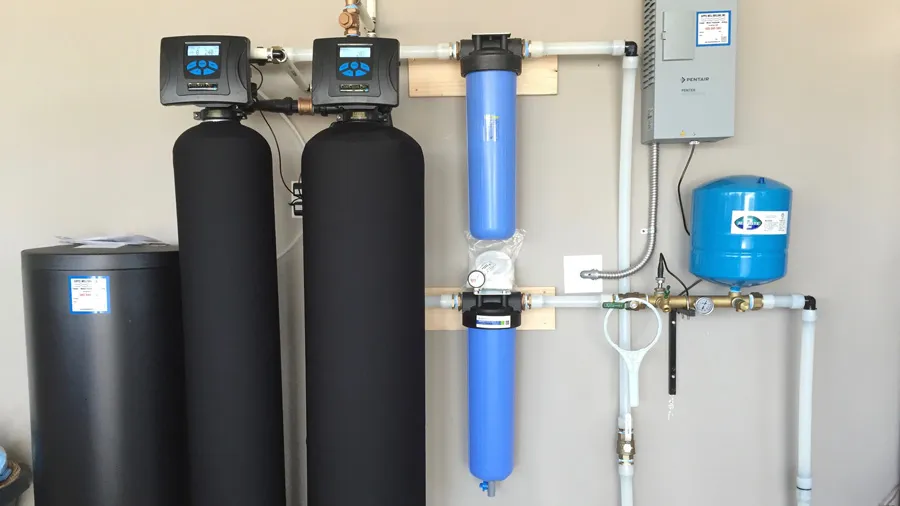
A sediment filter can help remove suspended particles, while water softeners are designed to reduce hardness minerals. Activated carbon filters may improve certain taste and odor issues. Reverse osmosis systems can reduce a range of dissolved substances when properly selected and maintained, but they are not a universal solution for every contaminant.
Disinfection systems, including ultraviolet treatment, may be useful when microbial concerns are identified. However, they must be installed and maintained correctly, and they do not remove every chemical contaminant. In some cases, more than one treatment stage is necessary.
Effective well water treatment begins with accurate testing, not a shopping list of equipment. Ask the service provider which contaminants the proposed system is designed to reduce, whether it has suitable performance certification, and what ongoing maintenance will cost. A system that fits your water chemistry is usually a better investment than an expensive unit chosen without clear evidence.
Don’t Overlook the Well System Itself
Treatment equipment can only do so much if the well has a structural problem. A damaged well cap, cracked casing, poor drainage, or an aging pressure system may allow contaminants to enter or interfere with reliable water delivery. The surrounding area deserves attention too. Fuel, pesticides, animal waste, and poorly maintained septic systems can pose risks if they affect groundwater.
Keep the area around the well clear, direct rainwater away from the casing, and make sure the cap is secure. Avoid storing chemicals nearby, and don’t ignore unusual changes in water pressure. If the well has been flooded, arrange an inspection and follow local recommendations for disinfection and testing before returning to normal use.
Professional well system services can include inspections, pump and pressure-tank checks, repairs, and advice on protecting the well from contamination. How often an inspection is needed depends on the system’s age, condition, and local requirements, but a problem is generally easier to address when it is caught early.
Everyday Habits That Help Protect Your Water
Good maintenance doesn’t have to be complicated. Keep a record of laboratory results, equipment installations, filter changes, and repairs. Replace cartridges according to the manufacturer’s schedule rather than waiting for the water to taste different. If a treatment system has a service indicator, take it seriously.
It’s also sensible to know where the well is located and keep information about its construction available. If you move into a home with a private well, ask for previous test results and maintenance records. If those records don’t exist, arranging a baseline inspection and water test is a useful first step.
Finally, don’t assume a neighbor’s results apply to your property. Groundwater conditions can vary over short distances, and the condition of each well is different. Your own test results provide the most relevant information for decisions about your home.
A Reliable Water Supply Starts with Attention
A private well can provide dependable water for many years, but it needs a little care along the way. Regular testing, sensible treatment choices, and timely maintenance help homeowners respond to problems before they grow into costly repairs or health concerns.
You don’t need to become a water expert overnight. Start by learning what’s in your water, keep an eye on changes, and ask qualified professionals when something doesn’t seem right. With a thoughtful approach, maintaining a well becomes less about guesswork and more about protecting one of the most important resources in your home.

 Home Services
Reliable Plumbing Starts With the Right Solutions for Your Home
Plumbing problems have a way of showing up at the worst possible time. A pipe starts leaking just…
 Home Services
Finding the Right Water Treatment Solutions for Homes and Businesses
Water is easy to take for granted until it starts causing problems. Perhaps the kitchen tap leaves an…
 Home Services
How to Identify and Address Unpleasant Tastes, Odors, and Sediment in Water
Water should be one of the simplest things in a home. Turn on the tap, fill a glass,…