

In this report
How to Identify and Address Unpleasant Tastes, Odors, and Sediment in Water
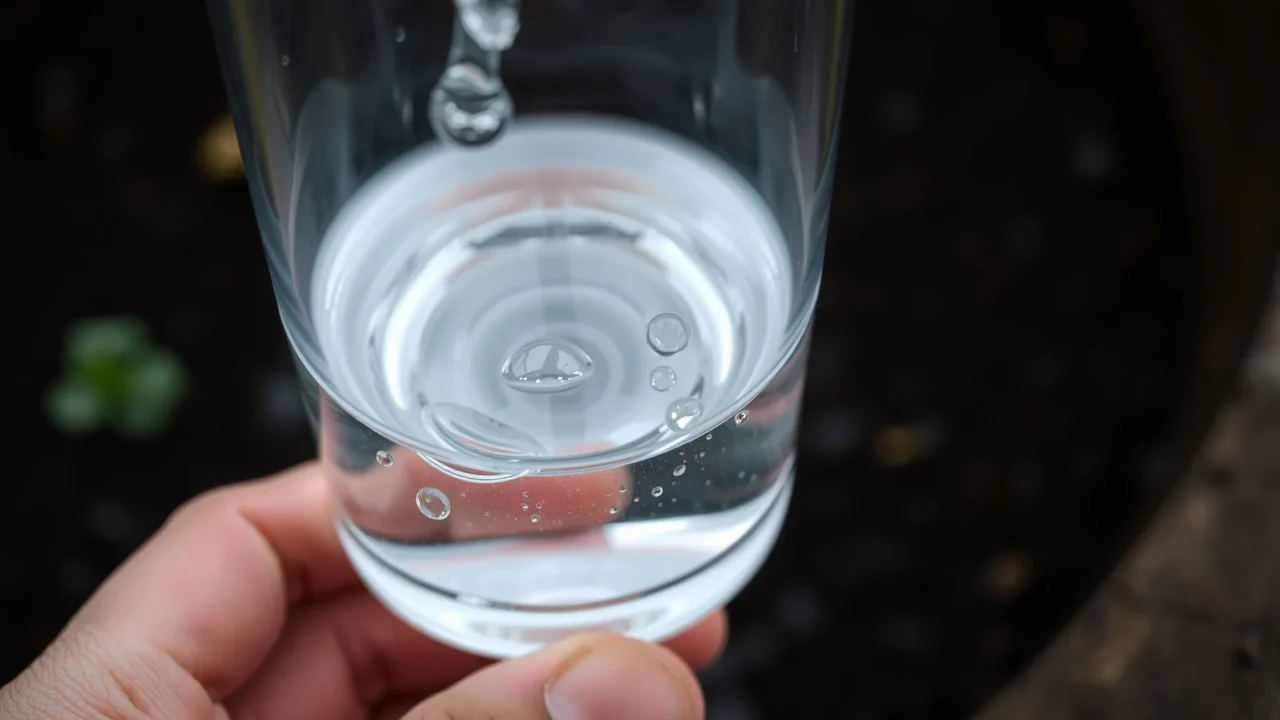
Water should be one of the simplest things in a home. Turn on the tap, fill a glass, and get on with the day. But when the water smells strange, tastes unpleasant, or looks cloudy, that basic routine suddenly becomes a concern. Even when the water is technically safe, quality issues can make people hesitant…
Water should be one of the simplest things in a home. Turn on the tap, fill a glass, and get on with the day. But when the water smells strange, tastes unpleasant, or looks cloudy, that basic routine suddenly becomes a concern. Even when the water is technically safe, quality issues can make people hesitant to drink it, cook with it, or use it confidently.
Water taste, odor, and appearance can change for several reasons. Some are related to natural minerals, while others may come from disinfection methods, plumbing conditions, or groundwater characteristics. The most useful response is not to panic or buy the first filter advertised online. It’s to understand what may be causing the issue and choose a treatment method based on actual water conditions.
Why Water Taste and Odor Change
Water can contain substances that affect its smell or flavor even when they are present in relatively small amounts. Municipal water supplies, for example, may have a noticeable disinfectant taste. Groundwater can pick up minerals and gases as it travels through soil and rock. Plumbing materials, stagnant water, and changes in the local supply may also influence how water tastes.
Some people notice these changes immediately, while others become aware of them only after moving to a new home or comparing tap water with bottled water. Taste and odor are not always reliable indicators of safety, but sudden or persistent changes deserve attention.
A professional water test can help identify whether the issue is aesthetic, chemical, biological, or related to the plumbing system. That distinction matters because different causes require different solutions.
Reducing Chlorine Taste and Odor
A noticeable chlorine taste & odor is a common concern in homes connected to municipal water systems. Chlorine and related disinfectants are used to control harmful microorganisms as water travels through the public supply network. Their presence serves an important public-health purpose, but some households find the taste or smell unpleasant.
Activated carbon filtration is often used to reduce chlorine-related taste and odor. Carbon works by adsorbing certain compounds as water passes through the filter. A properly sized carbon filter can make tap water more pleasant for drinking, cooking, and preparing beverages.
However, filter selection matters. A small under-sink cartridge may be suitable for drinking water but may not be designed to treat the entire home. Whole-house carbon systems can address water at multiple fixtures, although they require appropriate sizing and regular maintenance.
Filters also become less effective as they reach their capacity. If a carbon filter is not replaced according to the manufacturer’s recommendations, the original taste or odor may return. In some cases, water flow may also decline as the filter becomes restricted.
Understanding Rotten Egg Smells in Well Water
A rotten egg smell in well water is often associated with hydrogen sulfide gas. This compound produces a distinctive sulfur-like odor that can be noticeable in cold water, hot water, or both. The smell may come from the groundwater itself, bacteria in the well or plumbing system, or reactions involving a water heater.
Hydrogen sulfide is not always present at the same level throughout the year. Changes in groundwater conditions, well usage, or plumbing can affect how strong the odor becomes. Sometimes the smell is most noticeable when water has been sitting in pipes for several hours.
The correct treatment depends on the source and concentration of the gas. Possible solutions include activated carbon filtration, aeration, oxidation systems, chemical treatment, or specialized filtration equipment. A standard carbon filter may work for lower concentrations, but it can become exhausted quickly if the sulfur level is high.
Well owners should consider testing for additional factors, including iron, manganese, pH, bacteria, and other relevant water-quality indicators. If the odor is sudden, unusually strong, or accompanied by other changes, professional assessment is a sensible next step.
What Causes Cloudy Water or Sediment?
The appearance of cloudy water or sediment can be alarming, especially when it occurs unexpectedly. But cloudiness does not always mean the same thing. In some cases, water looks milky because tiny air bubbles are trapped in it. If the water clears from the bottom upward after sitting in a glass, air may be the likely explanation.
Sediment is different. It may appear as visible particles, sand, grit, or fine material that settles at the bottom of a container. Sediment can enter water from private wells, aging plumbing, construction activity, changes in pressure, or disturbances in the water supply.
A sudden appearance of brown, yellow, or cloudy water may occur after a water-main repair or hydrant activity. Running cold water for a few minutes may sometimes help clear temporary discoloration, but persistent problems should be investigated.
Sediment can damage faucet aerators, clog filters, interfere with valves, and reduce the efficiency of appliances. A properly selected sediment filter can capture particles before they travel through the home’s plumbing. Filter size and micron rating should be based on the type of sediment present, not simply on price or appearance.
Why Water Testing Is Important
Water treatment should begin with information. A taste or odor may suggest a possible issue, but it rarely identifies the exact cause. For example, a sulfur smell may be linked to hydrogen sulfide, but similar complaints can sometimes involve bacterial activity or plumbing conditions.
Testing may include checks for chlorine, hydrogen sulfide, iron, manganese, hardness, pH, total dissolved solids, bacteria, and other substances depending on the water source. Private well owners should be particularly proactive because well water quality can change due to rainfall, nearby land use, groundwater movement, or changes in the well system.
Testing also helps prevent unnecessary equipment purchases. Installing a softener will not necessarily solve a chlorine problem, and a basic sediment filter may not remove dissolved gases. A treatment system should match the actual water chemistry and the household’s needs.
Choosing the Right Treatment Approach
Different water concerns call for different solutions. Activated carbon is commonly used for taste and odor improvement. Sediment filters are designed to capture suspended particles. Aeration and oxidation systems may be useful for certain sulfur and iron conditions. Reverse osmosis systems can provide additional drinking-water treatment when selected and maintained correctly.
In some homes, a combination of treatments may be needed. A sediment prefilter might protect a carbon system, while a whole-house unit addresses general water quality and a separate drinking-water system provides more targeted filtration at the kitchen sink.
The system should also be sized according to water demand. A treatment unit that is too small may struggle during peak usage, while an oversized system may increase purchase and maintenance costs without offering meaningful benefits.
Maintenance Makes the Difference
Even a well-designed water treatment system needs regular care. Filters must be replaced, tanks may need sanitizing, and equipment should be inspected for leaks, pressure problems, or worn components. Neglected systems can lose effectiveness and may create new hygiene concerns.
Keep track of filter replacement dates and pay attention to changes in taste, odor, flow, or water appearance. If a problem returns soon after maintenance, it may indicate that the treatment method is not properly matched to the water condition.
Cleaner Water Starts With Understanding
Unpleasant water taste, strange odors, and visible sediment can make everyday life frustrating, but these problems are often manageable. The key is to avoid guessing, identify the likely source, and use testing to guide the next step.
Whether the concern involves disinfectant flavor, sulfur odors, or suspended particles, the right solution depends on the water itself. With suitable filtration, professional guidance, and consistent maintenance, households can improve water quality and feel more confident about what comes from their taps.

 Home Services
Making Your Home Healthier Starts With Better Water and Air
A comfortable home isn’t just about nice furniture, fresh paint, or a kitchen that looks good in photos.…
 Home Services
Why Better-Tasting Water Can Change the Way You Drink at Home
There’s something strangely satisfying about a cold glass of water that tastes fresh. No odd aftertaste, no strong…
 Home Services
The Great Water System Rabbit Hole I Fell Into
So I made the mistake of Googling “best water system for home” one evening, thinking I’d land on…