

In this report
Finding the Right Water Treatment Solutions for Homes and Businesses
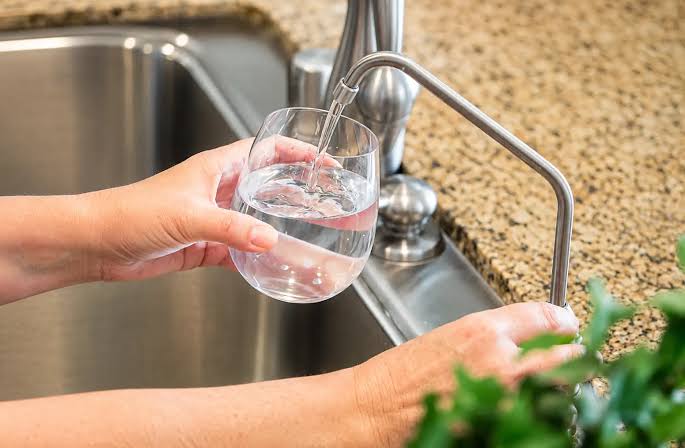
Water is easy to take for granted until it starts causing problems. Perhaps the kitchen tap leaves an unpleasant taste, the bathroom fixtures collect stubborn white deposits, or a business keeps spending money on equipment repairs linked to mineral buildup. These issues may seem unrelated, but they share one important factor: water quality can affect…
Water is easy to take for granted until it starts causing problems. Perhaps the kitchen tap leaves an unpleasant taste, the bathroom fixtures collect stubborn white deposits, or a business keeps spending money on equipment repairs linked to mineral buildup. These issues may seem unrelated, but they share one important factor: water quality can affect everyday comfort, operating costs, and the reliability of household and commercial systems.
The challenge is that water problems rarely have one universal fix. A family looking for better drinking water may need a simple filtration system, while a restaurant or manufacturing facility could require a more specialized setup. Understanding those differences makes it easier to choose equipment that genuinely helps instead of paying for features you don’t need.
Why Water Quality Deserves More Attention
Water can contain naturally occurring minerals, suspended particles, dissolved substances, and residual disinfectants. The exact composition depends on its source, local geology, treatment processes, and the pipes it travels through before reaching the tap.
Hard water, for instance, contains elevated levels of calcium and magnesium. It can leave scale on faucets, reduce soap lather, and contribute to deposits inside appliances. Other concerns may include sediment, unusual odors, or specific contaminants that require laboratory testing to identify.
Not every water quality issue presents a health risk, and not every unpleasant taste means water is unsafe. Still, changes in color, smell, or taste shouldn’t simply be ignored. Testing can help distinguish a cosmetic inconvenience from a concern that requires prompt attention.
For businesses, understanding water quality is just as important. Water may be used for drinking, cleaning, food preparation, equipment cooling, or production processes. Each application can have different requirements, making an informed assessment the sensible place to start.
One Water System Doesn’t Fit Every Situation
It’s tempting to look for a single product that promises to solve every water problem. In practice, treatment works best when the method matches the issue. A filter designed to improve taste may not soften hard water, and a water softener won’t necessarily remove unwanted chemicals or microorganisms.
The idea behind comprehensive solutions for every water need is to consider the complete picture rather than focusing on one piece of equipment. That means looking at the water source, test results, daily usage, plumbing arrangements, and the outcome the customer wants to achieve.
For one property, the right answer might be a drinking-water filter installed beneath the kitchen sink. Another may need sediment filtration followed by a treatment stage designed for a specific contaminant. A commercial facility could require higher-capacity equipment, monitoring, and a planned maintenance schedule.
A properly designed system brings these elements together without making the installation more complicated than necessary. It should also be practical to operate and maintain. After all, equipment that looks impressive but is difficult to service may become a headache over time.
Water Treatment for Residential Properties
At home, water quality affects a surprising number of daily activities. It influences the taste of tea and coffee, the way soap behaves in the shower, and the amount of cleaning needed to keep sinks and glassware looking fresh.
Well-planned residential solutions begin with the household’s actual concerns. If the main issue is chlorine taste or odor, a suitable activated carbon filter may be enough. If hard water is leaving scale throughout the property, a water softener could be more appropriate. Where testing identifies particular dissolved contaminants, a certified treatment system designed to reduce those substances may be necessary.
Some homeowners choose point-of-use equipment that treats water at a single tap. Others prefer point-of-entry systems that treat water as it enters the building. Neither option is automatically better; the decision depends on whether the problem affects drinking water alone or the wider household supply.
Household size matters, too. A system designed for one or two people may not provide sufficient flow for a busy family. Before buying, consider how much water is used during peak periods, where equipment can be installed, and how easily replacement filters can be obtained.
It’s worth thinking about long-term expenses as well. Purchase price is only one part of the cost. Replacement cartridges, electricity, servicing, and water consumption can all affect the overall value of a system.
Meeting the Demands of Commercial Water Use
Commercial properties often face a different set of challenges. A café may need dependable drinking water for customers and consistent quality for coffee preparation. A hotel must consider guest comfort, laundry, kitchens, and hot-water equipment. A manufacturing facility may require water with carefully controlled characteristics for a particular process.
Effective commercial water solutions are built around these operational requirements. Depending on the application, a system might include sediment filtration, activated carbon, water softening, reverse osmosis, or another specialized treatment process. The right combination should be based on testing, technical requirements, and the volume of water used.
Capacity is especially important. Equipment that works well during quiet periods may struggle when demand rises during lunch service or a busy production shift. Insufficient flow can disrupt operations, while an unnecessarily large system can increase installation and running costs.
Businesses should also consider consistency. Changes in water quality can affect product taste, cleaning results, and certain manufacturing processes. Scheduled monitoring and service visits help identify developing issues before they lead to interruptions.
In regulated environments, such as food preparation or specialized manufacturing, water treatment must also meet applicable safety and industry requirements. A supplier should be able to explain system capabilities, maintenance needs, and any relevant documentation rather than relying on vague promises.
Installation Is Only the Beginning
Even good equipment can underperform if it is installed incorrectly or neglected afterward. Pipe connections, flow rates, drainage, and placement all affect how a system operates. Some smaller filters are straightforward to install, while larger or more specialized systems require a qualified technician.
Before installation, ask what the system is designed to remove and how its performance will be checked. Find out how often filters or membranes need replacing, whether service visits are recommended, and what happens if a component fails.
Maintenance should be planned from the start. Keep a record of service dates and follow the manufacturer’s instructions. Waiting for a change in taste or pressure isn’t always a dependable way to know that a filter needs attention.
For businesses, preventive maintenance is particularly valuable because an unexpected equipment problem can affect customers, staff, or production schedules. A clear service plan helps make water treatment more predictable and easier to manage.
Choosing a Reliable Water Treatment Partner
The right supplier should be willing to understand your needs before recommending equipment. Be cautious of anyone who claims one system can remove every possible contaminant without asking about the water source or test results.
Look for transparent specifications, relevant independent certifications, realistic performance claims, and accessible replacement parts. Ask for a breakdown of installation and ongoing maintenance costs. If a water test identifies a serious concern, consult an appropriately qualified professional and follow local public health guidance.
A useful provider explains the available options in plain language. You should understand why a particular treatment method is being recommended, what it can realistically achieve, and what responsibilities come with owning the system.
Better Water Begins With a Better Decision
Whether you’re improving a family home’s drinking water or managing a busy commercial property, the goal is much the same: reliable water that suits the way the building is used. Getting there starts with understanding the problem, choosing appropriate treatment, and maintaining the equipment properly.
There is no need to buy the biggest system simply because it has the most features. A carefully selected solution can be more effective, easier to maintain, and better value over time.
Take the time to test your water where necessary, compare equipment based on proven performance, and ask questions before committing. With the right information and a sensible plan, water treatment becomes less of a guessing game and more of a practical investment in everyday comfort and dependable operations.

 Home Services
How to Identify and Address Unpleasant Tastes, Odors, and Sediment in Water
Water should be one of the simplest things in a home. Turn on the tap, fill a glass,…
 Home Services
Making Your Home Healthier Starts With Better Water and Air
A comfortable home isn’t just about nice furniture, fresh paint, or a kitchen that looks good in photos.…
 Home Services
Why Better-Tasting Water Can Change the Way You Drink at Home
There’s something strangely satisfying about a cold glass of water that tastes fresh. No odd aftertaste, no strong…