

In this report
Reliable Plumbing Starts With the Right Solutions for Your Home
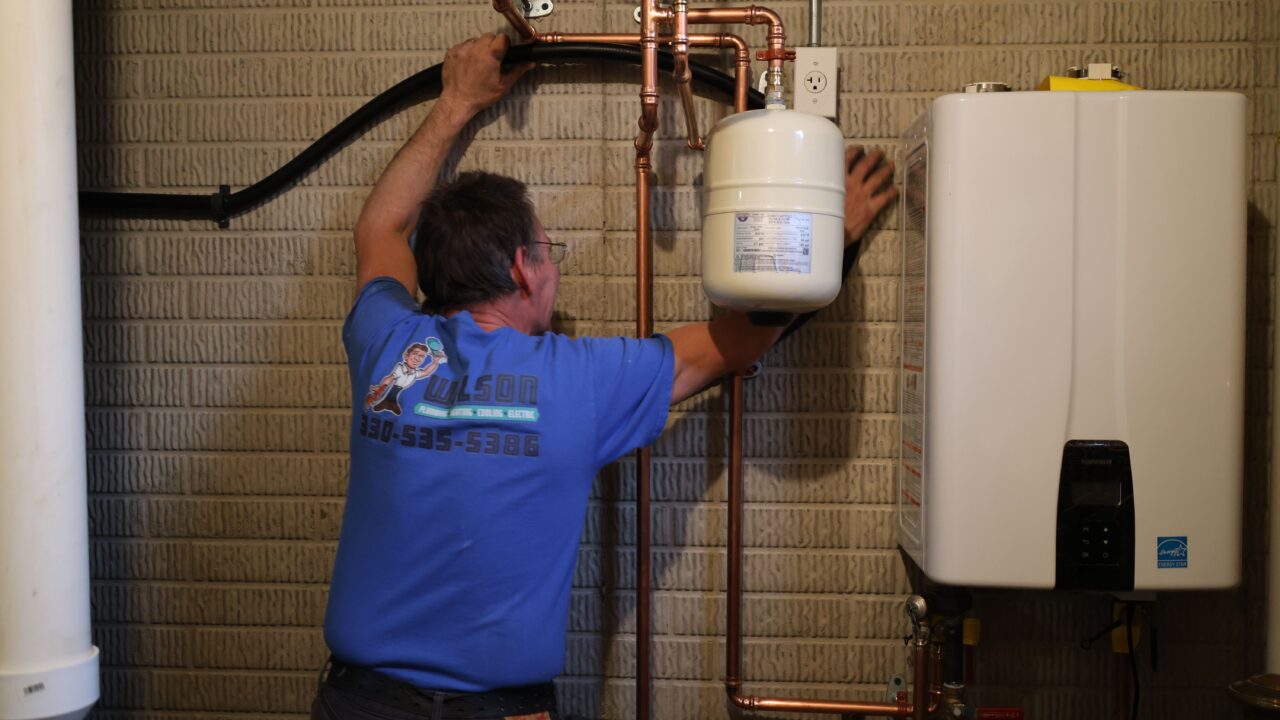
Plumbing problems have a way of showing up at the worst possible time. A pipe starts leaking just before guests arrive, the shower turns cold halfway through the morning, or a drain suddenly refuses to carry water away. These situations are frustrating, but they also remind us how much we depend on a reliable plumbing…
Plumbing problems have a way of showing up at the worst possible time. A pipe starts leaking just before guests arrive, the shower turns cold halfway through the morning, or a drain suddenly refuses to carry water away. These situations are frustrating, but they also remind us how much we depend on a reliable plumbing system. Most days, it works quietly in the background. When something goes wrong, though, it quickly becomes the center of attention.
Taking care of a home’s plumbing isn’t only about fixing broken pipes. It involves regular maintenance, choosing dependable equipment, understanding warning signs, and knowing when professional help is necessary. A little attention today can prevent a much bigger repair tomorrow.
Why Plumbing Maintenance Matters More Than You Think
Many homeowners don’t think about plumbing until there’s a problem. It’s understandable. Pipes are hidden behind walls, drains are expected to work, and hot water should be available whenever it’s needed. Still, small issues rarely disappear on their own.
A dripping faucet might seem harmless, but the wasted water can add up over time. A slow kitchen drain may indicate grease buildup, while a damp patch beneath a sink could point to a loose connection or a failing seal. Catching these problems early usually makes repairs simpler and less expensive.
Regular inspections can also help identify aging pipes, worn-out fixtures, unusual water pressure, and early signs of corrosion. Homeowners can do a few basic checks themselves, such as looking beneath sinks for moisture and checking visible pipes for rust. However, recurring leaks, unexplained water bills, and persistent drainage problems deserve closer attention from a qualified plumber.
The goal isn’t to worry about every little sound in the house. It’s to recognize when something has changed and deal with it before the situation gets worse.
Knowing When You Need Emergency Plumbing Help
Some plumbing problems can wait until the next available appointment. Others need immediate attention because they threaten the home, disrupt essential services, or create unsafe conditions.
A burst pipe, an overflowing toilet that won’t stop, or a major leak near electrical equipment can quickly become a serious issue. In these situations, emergency plumbing services can help homeowners respond quickly and limit further damage. The right professional can identify the source of the problem, control the immediate risk, and recommend the repairs needed to restore normal operation.
While waiting for help, there are a few practical steps worth remembering. If water is leaking heavily, turn off the main water supply if you can reach the valve safely. Move valuable belongings away from the affected area, and avoid touching electrical switches or equipment in wet spaces. If water is close to electrical outlets or appliances, keep clear and contact the appropriate emergency professional.
It’s also useful to know where the main shutoff valve is before an emergency happens. Finding it during a flood is much harder than locating it on a quiet afternoon.
Not every plumbing issue requires an urgent call, of course. A mildly dripping faucet can often wait. But if water is spreading, sewage is backing up, or a pipe has failed, delaying action may lead to damaged flooring, ruined belongings, and costly restoration work.
Hot Water Problems Shouldn’t Be Ignored
Hot water is one of those everyday comforts people notice most when it disappears. It makes showers comfortable, helps with cleaning, and supports many ordinary household tasks. When a water heater starts acting unpredictably, the problem can affect the whole household.
Common warning signs include water that never gets sufficiently hot, inconsistent temperatures, strange popping sounds, rusty-looking hot water, and moisture around the tank. Some issues result from sediment buildup or a worn component, while others may indicate that the unit is reaching the end of its useful life.
Before assuming the heater needs replacing, it’s worth having the system inspected. A qualified technician can assess its condition, check relevant components, and determine whether a repair is practical. The age of the unit, frequency of breakdowns, energy consumption, and household hot-water demand all matter when making the decision.
Safety is important here. Water heaters may involve electricity, gas, pressurized water, and extremely hot surfaces. Homeowners shouldn’t attempt repairs beyond their training, particularly when gas connections or electrical components are involved.
Choosing the Right Water Heater for Your Household
Replacing an old water heater is an opportunity to think about how your household actually uses hot water. A couple living in a small apartment may have very different needs from a family with several bathrooms and a busy morning routine.
Traditional storage-tank models keep a supply of hot water ready for use. They’re familiar, widely available, and can work well when the tank capacity matches the household’s needs. However, the available hot water is limited by the tank’s size, and the unit uses energy to maintain its stored water temperature.
During water heater installation, several factors deserve consideration, including the unit’s capacity, energy source, efficiency rating, available space, and local installation requirements. Proper sizing matters. A unit that’s too small may struggle during peak demand, while an oversized system may cost more than necessary.
The installation itself is just as important as the equipment. Correct connections, safe venting where required, suitable drainage, and compliance with local codes all help the system operate reliably. Professional installation can also identify problems with existing plumbing before the new heater is put into service.
Price is certainly part of the decision, but it shouldn’t be the only consideration. A slightly more efficient model may offer long-term savings, depending on usage and local energy costs. Ask for a clear explanation of installation costs, warranty coverage, maintenance needs, and any additional work required.
Are Tankless Water Heaters Worth Considering?
Tankless water heaters have become popular among homeowners looking for an alternative to conventional storage tanks. Rather than storing a large quantity of hot water, these systems heat water as it flows through the unit. That design can save space and reduce standby heat loss.
However, tankless systems aren’t automatically the best choice for every home. Their performance depends on the incoming water temperature, required flow rate, fuel or electrical capacity, and the number of fixtures being used simultaneously. A unit that works perfectly for one household may struggle to meet the demand of another.
Professional tankless water heater installation begins with evaluating those requirements instead of simply choosing a model based on its advertised features. The installer should determine the expected hot-water demand, check whether the existing gas line or electrical service is suitable, and assess venting and placement requirements.
There may be additional upfront costs if the home’s existing utilities need upgrading. On the other hand, a correctly sized system can provide continuous hot water within its rated capacity and free up valuable storage space.
Maintenance still matters. Depending on water hardness and manufacturer recommendations, periodic descaling or flushing may be necessary to help prevent mineral buildup. Before purchasing a unit, ask about its maintenance schedule, warranty conditions, and the availability of qualified service technicians.
Simple Habits That Help Prevent Costly Repairs
Good plumbing care doesn’t need to be complicated. A few consistent habits can reduce unnecessary wear and help homeowners spot trouble early.
Avoid pouring cooking grease down kitchen drains, since it can cool, solidify, and contribute to blockages. Use drain strainers where appropriate, and don’t treat toilets as disposal bins for wipes, paper towels, or other unsuitable materials. Even products marketed as flushable may cause problems in some plumbing systems.
Check exposed pipes occasionally, particularly beneath sinks and near appliances that use water. If you notice a persistent musty smell, unexplained dampness, or a sudden change in water pressure, investigate rather than assuming the issue will pass.
It’s also wise to learn the location of the main shutoff valve and keep basic plumbing information accessible. For larger systems, professional maintenance can help identify developing issues that aren’t obvious during everyday use.
A Dependable Plumbing System Makes Home Life Easier
Reliable plumbing rarely receives much attention when everything works properly, and that’s probably how it should be. Clean water, effective drainage, and consistent hot water are essential parts of a comfortable home.
When problems arise, a sensible response can make all the difference. Recognize early warning signs, act quickly when a leak becomes serious, and choose equipment that fits your household rather than simply buying the cheapest available option. Professional advice is especially valuable for major repairs and water heater replacements, where safety and correct installation matter.
A little planning goes a long way. With sensible maintenance, informed equipment choices, and timely repairs, homeowners can protect their property, reduce avoidable expenses, and enjoy greater confidence in the plumbing systems they rely on every day.

 Home Services
Finding the Right Water Treatment Solutions for Homes and Businesses
Water is easy to take for granted until it starts causing problems. Perhaps the kitchen tap leaves an…
 Home Services
Making Your Home Healthier Starts With Better Water and Air
A comfortable home isn’t just about nice furniture, fresh paint, or a kitchen that looks good in photos.…
 Home Services
What to Look for When Choosing an HVAC and Refrigeration Company
When your air conditioner stops working on the hottest day of the year, you don’t usually have time…