

In this report
Keeping Your Equipment in Good Shape: The Importance of Repairs, Maintenance, and Upgrades
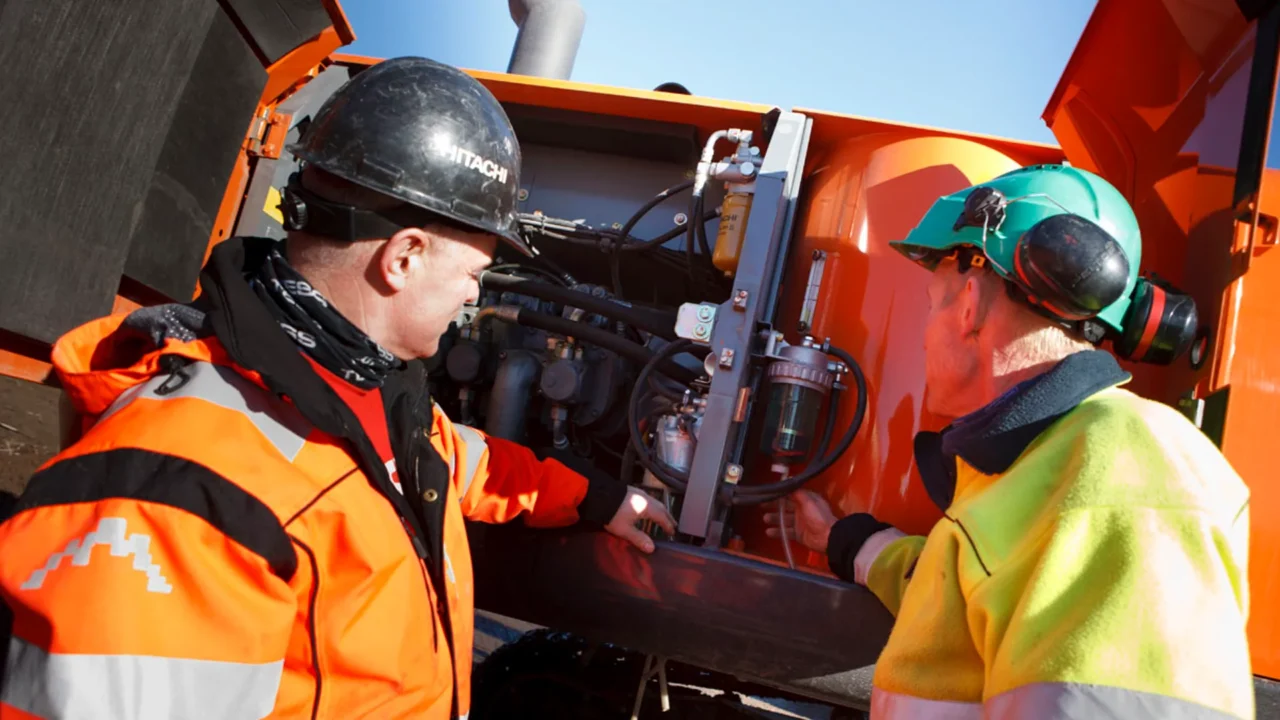
Equipment plays an important role in keeping everyday work running smoothly. Whether it’s used at home, in a workshop, a commercial facility, or an industrial environment, machines and tools are expected to perform reliably day after day. But even the best equipment won’t last forever without proper care. Small issues can gradually become bigger problems,…
Equipment plays an important role in keeping everyday work running smoothly. Whether it’s used at home, in a workshop, a commercial facility, or an industrial environment, machines and tools are expected to perform reliably day after day. But even the best equipment won’t last forever without proper care. Small issues can gradually become bigger problems, often at the worst possible time. A little attention today can save considerable time, money, and frustration tomorrow.
Why Equipment Care Should Never Be Overlooked
Most equipment doesn’t suddenly stop working without warning. In many cases, the signs are already there — unusual noises, reduced performance, overheating, vibration, or slower operation. These are easy to ignore when everything still seems functional, especially during a busy workday.
However, delaying attention to minor problems can lead to expensive breakdowns. A loose component, worn part, or neglected connection might eventually affect the entire system. Paying attention to these early warning signs makes it easier to identify problems before they disrupt daily operations.
Good equipment care isn’t necessarily complicated. It simply requires consistency, awareness, and a willingness to deal with small concerns before they turn into major headaches.
Choosing Repairs That Actually Solve the Problem
When something stops working properly, the first instinct is often to get it running again as quickly as possible. That’s understandable, but a quick fix isn’t always the best solution. The underlying cause needs to be identified rather than simply treating the visible symptom.
Finding technicians who provide reliable repairs can make a real difference. Skilled professionals understand how equipment works, recognize common failure points, and know when a damaged component needs replacement instead of temporary adjustment. Their experience can also help prevent the same issue from happening repeatedly.
Repair decisions should consider the equipment’s age, condition, usage, and the cost of replacement parts. Sometimes repairing an older machine is perfectly sensible. In other situations, continued repair costs may outweigh the benefits. Making that decision carefully helps owners avoid spending money without improving long-term performance.
Routine Maintenance Makes a Difference
Maintenance is often treated as something that can wait until there’s free time. Unfortunately, that’s usually when problems begin to build up. Dust, dirt, worn seals, poor lubrication, clogged filters, and loose fittings may seem insignificant, but over time, they can affect efficiency and reliability.
Following routine maintenance schedules helps equipment remain in better working condition. Depending on the type of machine, maintenance might include cleaning, inspecting moving parts, checking fluid levels, replacing filters, tightening connections, testing safety features, or monitoring performance.
A simple maintenance checklist can make these tasks easier to manage. It also helps employees or homeowners keep track of what has been done and what still needs attention. There’s no need for an overly complicated system; even a basic record of inspections and service dates can be useful.
More importantly, regular maintenance creates a habit of noticing changes. When people are familiar with how equipment normally operates, they can recognize when something doesn’t sound, feel, or perform quite right.
Knowing When It’s Time for an Upgrade
Repairs and maintenance can extend equipment life, but there comes a point when replacing or upgrading becomes the smarter option. Older equipment may consume more energy, require frequent service, operate less efficiently, or lack features that newer models offer.
Sometimes, the decision isn’t about buying the newest technology. It might simply be about improving productivity, reducing operating costs, or making work safer and more convenient. Before deciding to upgrade your equipment, consider how often it’s used, whether it still meets current requirements, and how much money is being spent keeping it operational.
Modern equipment may offer improved controls, better energy efficiency, quieter operation, or easier maintenance. Still, an upgrade should be based on practical needs rather than marketing promises. Comparing specifications, warranties, installation requirements, and expected operating costs can help buyers make a more confident decision.
Building a Better Long-Term Approach
Taking care of equipment works best when it’s part of a larger plan. Instead of waiting for something to break, think about how repairs, inspections, maintenance, and replacement decisions fit together. This approach gives you more control over expenses and reduces the likelihood of unexpected interruptions.
It’s also worth training the people who use equipment regularly. Proper handling, correct operating procedures, and basic awareness of warning signs can prevent avoidable damage. Often, the person working with a machine every day is the first to notice a change in performance.
Conclusion
Equipment reliability doesn’t happen by accident. It comes from thoughtful decisions, regular attention, and knowing when to call for professional help. Repairs address existing problems, maintenance helps prevent future ones, and upgrades create opportunities for better performance when older systems no longer meet expectations.
With a practical approach to equipment care, businesses and individuals can protect their investments, work more efficiently, and enjoy greater peace of mind. Sometimes, the best improvement isn’t a major purchase at all — it’s simply taking better care of what you already have.

 Home Service
When Your Water System Needs an Upgrade: What Homeowners Should Know
Most people don’t think much about their home’s water system until something starts going wrong. Maybe the shower…
 Service
Moving to a New Home in Hyderabad: How to Plan a Smooth and Stress-Free Relocation
Moving to a new home is one of those experiences that brings two very different feelings together. There’s…
 Home Improvement
Why More Strathfield Property Owners Are Investing in Switchboard Upgrades
The property landscape in Strathfield has undergone drastic changes in the last ten years. The renovations being carried…