

In this report
When Your Water System Needs an Upgrade: What Homeowners Should Know
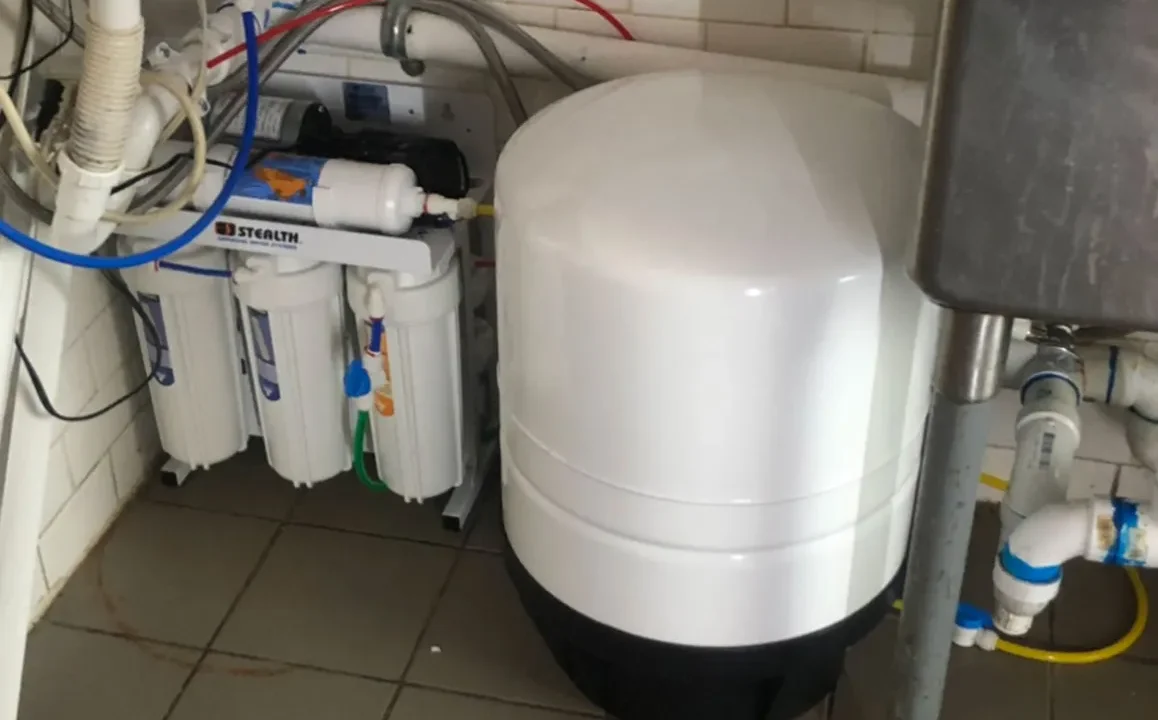
Most people don’t think much about their home’s water system until something starts going wrong. Maybe the shower pressure has dropped, mineral deposits keep returning to the kitchen faucet, or the drinking water no longer tastes as fresh as it once did. Sometimes the system still works, but it seems to need more attention than…
Most people don’t think much about their home’s water system until something starts going wrong. Maybe the shower pressure has dropped, mineral deposits keep returning to the kitchen faucet, or the drinking water no longer tastes as fresh as it once did. Sometimes the system still works, but it seems to need more attention than it used to. That’s often when homeowners begin wondering whether a repair will be enough or whether it’s time to consider an upgrade.
There isn’t always a need to replace everything. A few carefully chosen improvements can make an existing system more convenient, efficient, and suitable for a household’s current needs. The key is understanding what’s changed, which components are struggling, and what you actually want the system to do.
Start by Looking at What’s Changed
A water treatment system that worked well five years ago may not be the best fit today. Families grow, water usage changes, and equipment gradually wears down. A household might add another bathroom, install a new water heater, or start using more filtered water for cooking and drinking. Even without major changes, mineral buildup and normal wear can affect performance.
Before spending money, take a little time to observe the system. Has the water become harder to use for cleaning? Are you replacing filters more frequently? Does the equipment regenerate too often, make unusual noises, or struggle to supply enough treated water during busy periods?
These signs don’t automatically mean an upgrade is necessary. A clogged filter, incorrect setting, or worn component may be responsible. A professional inspection can help distinguish a maintenance issue from a system that’s genuinely undersized or approaching the end of its useful life.
It’s also worth checking your original installation records, if you have them. Knowing the equipment’s age, capacity, maintenance history, and previous repair costs makes it easier to decide what deserves attention.
When a Water Softener No Longer Meets Your Needs
Hard water can be a persistent nuisance. Calcium and magnesium deposits collect around faucets, showerheads, and appliances, while soap may not lather as easily as expected. A conventional ion-exchange softener reduces these hardness minerals, helping limit scale formation and making some household cleaning tasks easier.
Over time, though, the demands placed on a softener may change. A unit originally sized for a smaller household might struggle when water consumption increases. Older equipment may also become less reliable, especially if it has missed routine maintenance or requires frequent repairs.
In these situations, water softener upgrades may be worth exploring. Depending on the condition of the existing unit, an upgrade could involve replacing an aging control valve, adjusting capacity, improving the regeneration settings, or installing a suitably sized system. The right choice depends on measured water hardness, household demand, and the equipment’s condition.
Efficiency is another consideration. Ask how much salt and water the proposed system uses during regeneration and whether its settings can be matched to actual consumption. A larger unit isn’t automatically better; equipment should be sized according to the home’s needs rather than selected simply because it has a higher capacity.
Remember that softening addresses hardness, not every possible water-quality concern. If your water also has an unusual taste, odor, or a suspected contaminant, testing may indicate that another treatment method is needed.
Improve Drinking Water Without Replacing Everything
Some homeowners are satisfied with the water used for bathing and laundry but want better treatment for drinking and cooking. In that case, upgrading the system beneath the kitchen sink may be more practical than changing the entire property’s plumbing.
Reverse osmosis is one option for reducing many dissolved substances in drinking water. These systems push water through a semipermeable membrane, separating much of the water from selected dissolved constituents. Their performance varies by model and contaminant, so certification and manufacturer documentation deserve careful attention.
If the current unit produces water slowly, needs frequent servicing, or no longer suits the household’s daily routine, reverse osmosis system upgrades may offer a more convenient arrangement. Depending on the circumstances, that might mean replacing an aging membrane, improving pretreatment, choosing a system with a more suitable storage capacity, or installing a newer design that better matches household demand.
Before making a purchase, check the available space, water pressure, drainage requirements, and cost of replacement filters. Conventional reverse osmosis systems also send some water to the drain during production, so it’s sensible to ask about expected water use.
A more complex system isn’t always necessary. If the main concern is chlorine taste or odor, a suitable activated carbon filter may be sufficient. If testing identifies a specific health-related contaminant, choose equipment verified to reduce that substance and follow any advice from the relevant water authority or qualified professional.
Consider Filtration Throughout the Home
Whole-house treatment can be useful when a water-quality concern affects several fixtures rather than just the drinking-water tap. Sediment may reach multiple bathrooms, certain substances may affect the incoming supply, or a combination of treatment methods may be needed to address identified concerns.
Whole-home filtration upgrades can involve adding a suitable filter, replacing worn media, improving system capacity, or reorganizing existing equipment so each component has a clear purpose. For example, a sediment filter may protect downstream equipment from particles, while activated carbon can reduce certain tastes, odors, and selected compounds. A softener may be included when hardness is also a concern.
The important thing is to match the equipment to the water analysis. A sediment filter won’t reliably remove dissolved contaminants, and a standard carbon filter shouldn’t be expected to provide every form of treatment. If disinfection is required, the system needs technology specifically designed for that purpose.
Flow rate matters as well. A filtration unit may perform adequately when one faucet is running but restrict pressure when several showers, appliances, and taps are used together. An upgrade should account for peak household demand, installation space, maintenance access, and any drainage or electrical requirements.
Think About Long-Term Costs, Not Just the Purchase Price
Equipment prices can be misleading when viewed on their own. A lower-cost system may need more frequent filter replacements, use more regeneration materials, or require service calls that gradually increase the total expense. A more expensive option may offer useful benefits, but only if those benefits match the property’s needs.
Ask for a written estimate that separates equipment, installation, and any additional plumbing work. Find out how often filters or membranes need replacing, whether special replacement parts are required, and what routine servicing involves.
It’s also reasonable to ask what can be repaired on the existing system. Replacing one worn component may be more practical than installing entirely new equipment. Comparing repair costs with the expected remaining service life can help you make a more informed decision.
Avoid relying on broad claims about savings or performance. Ask for documentation, realistic operating estimates, and a clear explanation of what the proposed upgrade will and won’t accomplish.
Maintenance Keeps an Upgrade Worthwhile
Even new equipment needs regular attention. Filters gradually become exhausted, softeners require appropriate regeneration, and reverse osmosis membranes have a limited service life. Follow the manufacturer’s instructions and keep a record of maintenance dates and water-test results.
Watch for changes in water taste, odor, pressure, or the return of mineral deposits. These signs may indicate that servicing or further testing is needed. If the water source changes or you suspect contamination, investigate the cause rather than assuming the treatment system will handle it automatically.
A simple maintenance calendar can make a real difference. It helps prevent missed replacements and gives technicians a useful history if the system develops a problem.
Make an Upgrade That Fits Your Home
A water system upgrade should solve a genuine problem, not create a new expense without a clear benefit. Start by reviewing the system’s performance, testing the water when appropriate, and identifying the features that would improve daily use.
Whether you’re addressing persistent hardness, improving drinking-water convenience, or increasing filtration capacity, choose equipment based on verified performance, household demand, and manageable maintenance requirements. The most useful upgrade isn’t necessarily the newest or most expensive one. It’s the one that fits your water conditions, works reliably, and makes everyday life a little easier.

 Home Services
The Great Water System Rabbit Hole I Fell Into
So I made the mistake of Googling “best water system for home” one evening, thinking I’d land on…
 Service
Moving to a New Home in Hyderabad: How to Plan a Smooth and Stress-Free Relocation
Moving to a new home is one of those experiences that brings two very different feelings together. There’s…
 Home Services
Understanding Your Well Water: Practical Ways to Keep It Clean, Safe, and Reliable
Water is one of those things most people don’t think about until something changes. Maybe the water starts…