
So I made the mistake of Googling “best water system for home” one evening, thinking I’d land on a quick answer within ten minutes. Three hours later I had seventeen browser tabs open, a half-finished cup of tea gone cold, and genuinely no clearer idea of what I actually needed than when I started. If you’ve been down this same road, you already know the particular flavor of confusion I’m talking about.
The problem, I eventually realized, wasn’t that good information didn’t exist. It was that most of it assumed you already knew the difference between all these systems being thrown around interchangeably, when in reality they solve pretty different problems. Nobody stopped to explain that part before diving into product comparisons, which, in hindsight, is exactly where I should’ve started.
The One Everyone’s Heard Of But Half Misunderstands
Let’s start with the most commonly mentioned option, because it’s the one most people have at least heard of, even if they don’t fully get what it does. Water softeners deal specifically with hardness — that calcium and magnesium buildup causing spotty dishes, dry skin, and scale creeping through your pipes over time. They work through an ion exchange process, essentially swapping those hardness-causing minerals for sodium.
Here’s what I didn’t realize going in, though — a softener doesn’t touch things like chlorine taste, bacteria, or other contaminants. It’s solving one specific problem, and solving it well, but people (myself included, initially) sometimes assume it’s a catch-all fix for “water stuff” in general. It’s not. It’s a specialist, not a generalist, which is a distinction that would’ve saved me some confused late-night research had someone explained it upfront.
The One That Sounds Complicated But Solves a Different Problem Entirely
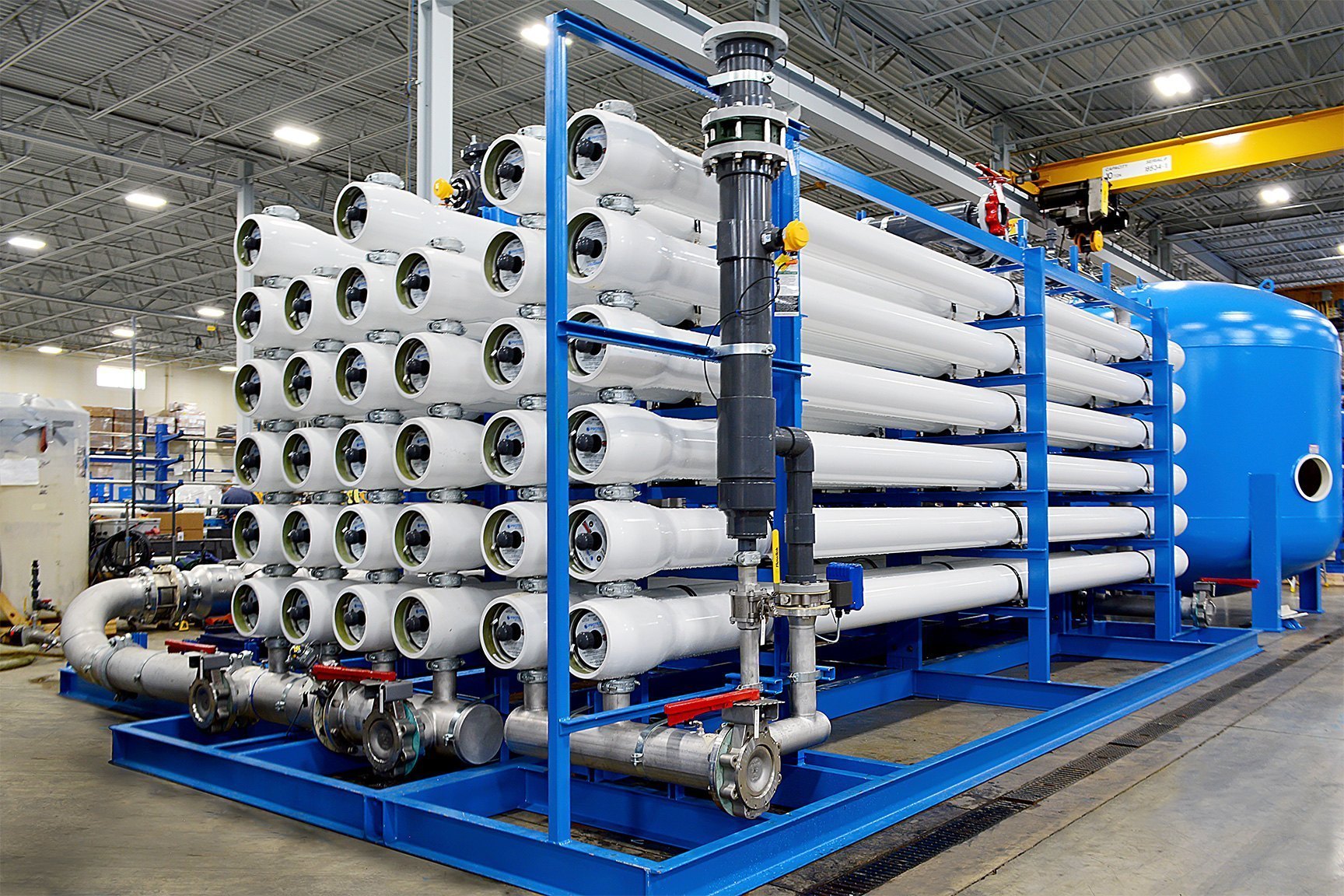
Then there’s the option that intimidated me the most just from the name alone. Reverse osmosis systems push water through a semi-permeable membrane that filters out an impressively wide range of contaminants — dissolved solids, certain chemicals, some bacteria and viruses depending on the setup, stuff way beyond what a softener’s designed to handle. Usually installed at a specific point, often under the kitchen sink, focused on drinking and cooking water rather than treating everything flowing through your whole house.
What clicked for me eventually was realizing this isn’t competing with a softener, it’s addressing a completely separate concern. Where hardness is about mineral buildup and its physical effects, reverse osmosis is more about purity and contaminant removal for the water you’re actually drinking and cooking with. Different job, different tool, and honestly, a lot of households end up using both together rather than picking one over the other.
The Option That Covers Everything, Sort Of
Finally, there’s the broader approach that sits differently from the other two. Whole house filtration treats water as it enters your home, addressing things like chlorine taste, sediment, and certain chemicals across every single tap, shower, and appliance, rather than just one point of use. It’s less specialized than reverse osmosis in terms of contaminant removal depth, but broader in terms of coverage across your entire home.
This was the piece that finally made the whole puzzle click for me. It’s not really about picking the “best” single system out of these three — it’s understanding what each one is actually built to do, then figuring out which combination matches your specific water situation. My house, as it turned out, needed a softener for hardness and a whole-house filter for chlorine and sediment, plus I added reverse osmosis later just for drinking water specifically. Three different tools, three different jobs, working together rather than competing.
What I Wish Someone Had Told Me at Hour One
Looking back at that three-hour rabbit hole, I really just needed someone to lay out the basic distinctions before throwing product comparisons at me. Once I understood that these systems aren’t rivals competing for the same job, but rather specialists handling different pieces of the same overall puzzle, everything got a lot less overwhelming.
If you’re standing where I was, staring down a dozen open tabs and getting more confused by the minute, take a step back first. Figure out what your water’s actually doing wrong — hardness, taste, specific contaminants, general coverage — before worrying about which brand or model to buy. The system question gets a whole lot simpler once you understand what you’re actually solving for.