
The global energy sector is changing faster than ever. Countries are investing heavily in renewable energy, modern transmission networks, industrial expansion, and grid upgrades to meet rising electricity demand. As these projects grow in size and complexity, the demand for reliable, high-performance transformers has increased significantly. Industry reports show that worldwide transformer demand continues to rise because of renewable energy integration, aging grid infrastructure, electrification, and the expansion of data centres.
In this evolving market, Indian transformer manufacturers have become trusted partners for utilities, EPC contractors, renewable energy developers, and industrial companies across the world. Their ability to manufacture quality transformers, comply with international standards, deliver customised solutions, and maintain competitive pricing has helped them secure projects in Australia, the Middle East, Africa, Southeast Asia, and many other regions.
For Australian businesses involved in renewable energy, mining, infrastructure, and power distribution, sourcing equipment from experienced manufacturers in India offers both technical reliability and long-term value.
Why are Indian transformer manufacturers gaining global recognition?
Over the past decade, India’s transformer manufacturing industry has invested heavily in advanced production facilities, automated testing systems, modern engineering capabilities, and international certifications. Today, many manufacturers produce transformers that meet IEC, ANSI, IS, and other global standards, making them suitable for projects across different countries.
Rather than offering standard products alone, manufacturers now work closely with customers to develop customised transformer solutions for specific operating conditions, voltage requirements, environmental challenges, and installation locations.
This flexibility allows Indian manufacturers to support a wide variety of industries, including renewable energy plants, utility substations, industrial facilities, commercial developments, mining operations, and transportation infrastructure.
How is the global energy transition creating new opportunities?
The shift towards cleaner energy has changed the way electrical infrastructure is designed. Solar farms, wind parks, battery storage facilities, and hybrid renewable projects all require dependable transformer systems to transfer generated electricity safely and efficiently into national grids.
At the same time, countries are upgrading aging transmission networks to improve reliability and support increasing electricity consumption. Smart grid technologies, digital monitoring, electric vehicle infrastructure, and expanding industrial operations are also driving demand for modern transformer solutions. Global electricity demand is expected to continue growing steadily over the coming years, placing greater importance on resilient power infrastructure.
These developments have positioned Indian manufacturers as important contributors to international energy projects.
What makes Indian transformer manufacturers suitable for international projects?
One of the biggest advantages is manufacturing capability. Indian companies produce a wide range of transformers, including distribution transformers, power transformers, furnace transformers, rectifier transformers, inverter duty transformers, and specialised solutions for renewable energy applications.
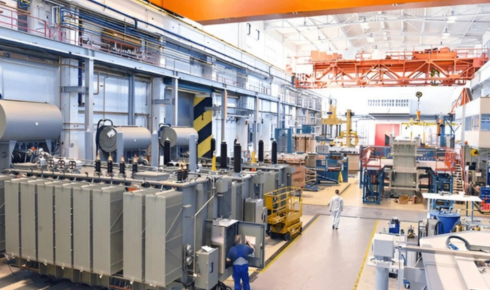
Modern manufacturing facilities use advanced core cutting machines, automated winding equipment, precision assembly processes, and comprehensive quality testing to ensure consistent performance.
International buyers also value:
- Competitive manufacturing costs
- Proven engineering expertise
- Custom design capabilities
- Compliance with international standards
- Reliable export experience
- Strong after-sales technical support
Instead of simply supplying equipment, many manufacturers participate throughout the project lifecycle by assisting with design, testing, documentation, installation guidance, and technical consultation.
Why are distribution transformers becoming increasingly important?
While large power transformers often receive more attention, distribution transformer suppliers play an equally critical role in delivering electricity safely to homes, businesses, hospitals, schools, and industrial facilities.
As Australia’s electricity network expands to accommodate renewable generation and growing communities, distribution transformers help maintain stable voltage levels and minimise energy losses throughout local networks.
Modern distribution transformers are now designed with greater efficiency, improved insulation systems, reduced maintenance requirements, and longer operational life. Many also incorporate environmentally responsible materials and designs that support sustainability goals while lowering operating costs.
For utilities and contractors, selecting experienced distribution transformer suppliers ensures dependable performance throughout the life of the project.
How do Indian manufacturers support renewable energy projects?
Renewable energy presents unique engineering challenges. Solar and wind generation fluctuate depending on weather conditions, meaning transformers must perform reliably under varying electrical loads.
Indian manufacturers have developed transformer solutions specifically for renewable applications by focusing on:
- Higher efficiency to reduce transmission losses.
- Enhanced thermal performance for demanding environmental conditions.
- Robust insulation systems for long-term reliability.
- Compact designs where installation space is limited.
- Custom voltage configurations for solar and wind farms.
These specialised transformers help maximise energy transfer while supporting stable grid integration.
What does quality assurance look like today?
Quality expectations for international energy projects continue to rise.
Leading Indian manufacturers now invest significantly in comprehensive testing facilities where transformers undergo routine, type, and special tests before shipment. These inspections verify electrical performance, insulation integrity, temperature rise, short-circuit withstand capability, and operational safety.
Many facilities also use digital quality management systems that improve production consistency while maintaining complete documentation for international customers.
This level of quality assurance provides confidence for engineers, consultants, utilities, and project developers working on large infrastructure projects.
Why does custom engineering matter for Australian projects?
Australia presents unique operating conditions that often differ from other regions.
High ambient temperatures, remote installation locations, mining environments, coastal corrosion, renewable energy integration, and demanding utility requirements all require carefully engineered transformer solutions.
Experienced Indian manufacturers work with customers to customise transformer specifications based on project needs instead of offering a one-size-fits-all approach.
This collaborative engineering process helps improve system performance while reducing long-term maintenance costs.
How are digital technologies improving transformer performance?
The transformer industry is becoming increasingly intelligent.
Modern transformer designs now incorporate digital monitoring systems that provide continuous information about operating conditions. These systems allow utilities and facility managers to monitor temperature, oil condition, load performance, and other critical parameters in real time.
Predictive maintenance reduces unexpected failures while improving asset management across entire power networks.
As digital substations and smart grids become more common, transformer manufacturers continue integrating new technologies that support improved efficiency and operational reliability.
Why do global EPC contractors choose Indian suppliers?
Engineering, Procurement, and Construction (EPC) contractors require suppliers who can consistently deliver quality products within project schedules.
Indian manufacturers have strengthened their reputation by offering dependable production capacity, experienced export teams, technical documentation, project coordination, and timely delivery for international contracts.
Their ability to handle both standard and customised transformer requirements makes them valuable partners for complex infrastructure developments.
Growing investment in manufacturing capacity across India’s transformer sector is also helping companies meet increasing international demand.
Choosing the right manufacturing partner
Selecting a transformer supplier involves much more than comparing prices.
Project owners should evaluate manufacturing experience, engineering expertise, testing capabilities, international certifications, export history, quality systems, technical support, and long-term service capability.
An experienced manufacturer will understand local regulations, project specifications, installation requirements, and future maintenance considerations, ensuring the equipment performs reliably for many years.
For organisations seeking dependable transformer solutions, companies like Transformer India continue supporting domestic and international projects by combining engineering expertise, modern manufacturing, rigorous quality control, and customer-focused service.
Conclusion
The global energy industry is entering a period of unprecedented infrastructure investment. Renewable energy expansion, grid modernisation, industrial growth, and increasing electricity demand are creating significant opportunities for reliable transformer manufacturers.
Today, Indian transformer manufacturers are playing an increasingly important role in these developments by supplying high-quality transformer solutions that meet international standards while supporting projects across multiple industries.
For Australian utilities, renewable energy developers, EPC contractors, and industrial operators, partnering with experienced distribution transformer suppliers from India offers access to reliable engineering, customised solutions, proven manufacturing capabilities, and long-term value. As energy systems continue evolving, these partnerships will remain essential in building stronger, smarter, and more sustainable electrical networks.
Frequently Asked QuestionsWhy are Indian transformer manufacturers becoming popular globally?
Indian manufacturers combine advanced manufacturing technology, international quality standards, customised engineering, competitive pricing, and extensive export experience, making them reliable partners for global infrastructure and energy projects.
What industries use distribution transformers?
Distribution transformers are widely used in utility networks, renewable energy projects, commercial buildings, industrial plants, residential developments, hospitals, educational facilities, and mining operations.
Can Indian manufacturers supply customised transformers for Australian projects?
Yes. Many Indian manufacturers design transformers according to customer specifications, including voltage ratings, environmental conditions, efficiency requirements, cooling methods, and applicable international standards.
What should businesses consider when choosing distribution transformer suppliers?
Look for manufacturers with proven engineering expertise, recognised quality certifications, comprehensive testing facilities, export experience, responsive technical support, and a strong reputation for delivering reliable products.
How do transformers support renewable energy integration?
Transformers safely transfer electricity generated by solar farms, wind parks, and battery storage systems into the power grid while maintaining voltage stability, reducing transmission losses, and improving overall network reliability.