
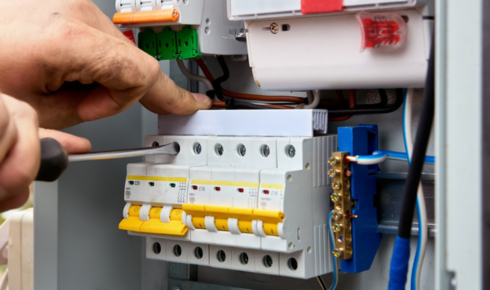
The property landscape in Strathfield has undergone drastic changes in the last ten years. The renovations being carried out, additions made, increased use of electric cars, solar panels, and high-powered electrical appliances are some of the causes of an increase in electrical loads in residential properties. This has led to many property owners questioning whether their electrical systems will be able to meet these demands in terms of safety and efficiency. Nowadays, there are many property owners who consult an electrician Strathfield about their ability to meet these energy demands. For many households, a switchboard upgrade Sydney property owners once considered optional is becoming an important part of long-term electrical planning.
Although switchboards rarely receive the same attention as kitchens, bathrooms, or outdoor renovations, they serve as the central hub of a property’s electrical system. Every circuit, appliance, and power outlet depends on the switchboard to distribute electricity safely and effectively. As electrical demands continue to evolve, more homeowners are recognising that upgrading this critical component can improve reliability, safety, and future flexibility. During residential electrical assessments, experienced electricians commonly identify limited circuit capacity, ageing switchboard components, inadequate safety protection, and the need for future upgrades are the main reasons homeowners choose to upgrade their switchboards.
Growing Electrical Demand Is Reshaping Residential Requirements
One of the most significant reasons switchboard upgrades are becoming increasingly common is the changing way households consume electricity. Modern homes use far more power than properties built several decades ago were originally designed to support.
Many established Strathfield homes were constructed during periods when household electricity usage was relatively modest. Basic lighting, standard kitchen appliances, and a limited number of power outlets were often sufficient for everyday living. Today, however, households frequently rely on multiple televisions, computers, home office equipment, security systems, electric ovens, ducted air conditioning, induction cooktops, and advanced entertainment systems.
In addition, many homeowners are introducing technologies that place substantial demands on electrical infrastructure, including:
- Electric vehicle chargers
- Solar energy systems
- Battery storage solutions
- Smart home technology
- Electric hot water systems
- Pool and outdoor entertainment equipment
Many Strathfield properties have undergone extensive renovations over the years, but electrical infrastructure has not always been upgraded at the same pace. A home may feature a modern kitchen, renovated living spaces, and energy-efficient appliances while still relying on a switchboard that was designed for significantly lower electrical demand.
Before recommending a switchboard upgrade, electricians typically evaluate how power is currently being distributed throughout the property. This process often includes reviewing:
- Existing electrical load
- Circuit allocation and balance
- Maximum demand calculations
- Current appliance requirements
- Future electrical plans
- Available switchboard capacity
Maximum demand calculations are particularly important because they help determine whether the electrical system can safely support periods of peak usage. A property may function adequately most of the time but approach its limits when multiple high-demand appliances operate simultaneously.
As households continue adding electrical equipment, these limitations can become more noticeable. Rather than waiting for recurring issues to develop, many homeowners are choosing to proactively assess their electrical infrastructure and plan for future requirements. This forward-looking approach helps reduce the likelihood of future disruption while creating a more adaptable electrical system capable of supporting changing household needs.
Safety, Compliance, and Risk Reduction Are Driving Upgrade Decisions
While increased electrical demand is a major factor, safety remains one of the strongest motivations for switchboard upgrades. The switchboard serves as the primary control centre for electricity throughout a property. If important components become outdated, damaged, overloaded, or insufficient for current usage levels, the risk of electrical issues can increase.
Many older switchboards were installed before modern safety expectations became standard. Although these systems may continue operating, they often lack the level of protection available through contemporary electrical equipment.
During an inspection, electricians commonly assess:
- Safety switch coverage
- Circuit protection devices
- Physical condition of switchboard components
- Evidence of overheating
- Corrosion or deterioration
- Available space for future circuits
One of the most important modern safety features is the safety switch. These devices provide additional protection by disconnecting power when specific electrical faults are detected. Many older properties may not have comprehensive protection across all circuits, making switchboard assessments particularly valuable.
Property owners often arrange electrical inspections after experiencing issues such as:
- Frequent circuit breaker trips
- Flickering lights
- Intermittent power loss
- Burning smells near electrical equipment
- Buzzing sounds from the switchboard
- Warm or discoloured electrical components
However, this does not mean that such symptoms should raise concerns about major defects in the system; they may indicate that further examination is necessary. Buying a property or planning renovations are common times when homeowners consider a switchboard inspection. People purchasing older homes in Strathfield often have their electrical systems checked to better understand their condition and any potential issues.
Compliance is another important factor to consider. Requirements concerning electricity are constantly changing because of innovations. When homeowners do large works that involve electricity usage, they should evaluate the state of their switchboards according to the latest requirements.
It is important to note that replacing a switchboard does not necessarily mean there is a problem with the existing one. Homeowners regard it as a precautionary measure that will help them reduce risks and improve system reliability. In other words, instead of solving problems, homeowners try to prevent them from happening.
Future-Proofing Properties for Modern Energy Technology
A growing number of property owners are approaching electrical infrastructure with a long-term mindset. Instead of focusing solely on current requirements, they are considering how their homes may need to operate five, ten, or even fifteen years into the future. This shift in thinking has contributed significantly to increased interest in switchboard upgrades.
Several trends are influencing electrical planning decisions across Strathfield and the wider Sydney region:
- Increased electric vehicle ownership
- Expansion of solar energy systems
- The growing use of home battery storage systems
- Smart home integration
- Electrification of household appliances
- Growing demand for energy-efficient technology
Each of these developments can increase the complexity and capacity requirements of residential electrical systems. For example, homeowners considering electric vehicle charging often discover that evaluating switchboard capacity early helps avoid delays later. Similarly, those planning solar battery installations may benefit from reviewing existing infrastructure before additional equipment is introduced.
An electrician assessing future readiness will often consider:
- Long-term household energy goals
- Planned renovations or extensions
- Potential increases in electrical demand
- Existing infrastructure limitations
- Capacity for additional circuits
- Future technology integration
The objective is not simply to meet current needs but to create an electrical system capable of adapting to future changes. This approach can also help property owners avoid repeated modifications. Instead of making incremental upgrades every time a new appliance or technology is added, a strategic switchboard upgrade can provide greater flexibility for future developments.
As electricity becomes increasingly central to transportation, climate control, energy storage, and household automation, reliable electrical infrastructure will continue to play a more important role in residential properties. Planning allows homeowners to create systems that are better positioned to accommodate these evolving requirements.
In Brief
Strathfield residents are opting for switchboards to be upgraded because the present-day lifestyle imposes requirements on electrical systems that the old systems are simply unable to meet. Increased electricity usage, enhanced safety requirements, and the introduction of new technology have prompted many homeowners to look into upgrading their systems to see whether they are able to cope with these challenges. Being able to check the capacity of electrical systems, enhance safety, and prepare for future energy needs is extremely important.
For most Strathfield homeowners, however, the need to upgrade the switchboard system goes beyond simply replacing an old one. They have to take steps to ensure that their property’s electrical system is capable enough to meet the demands of the current needs of modern life, along with the technological advancements and higher demand for electricity in the future.


