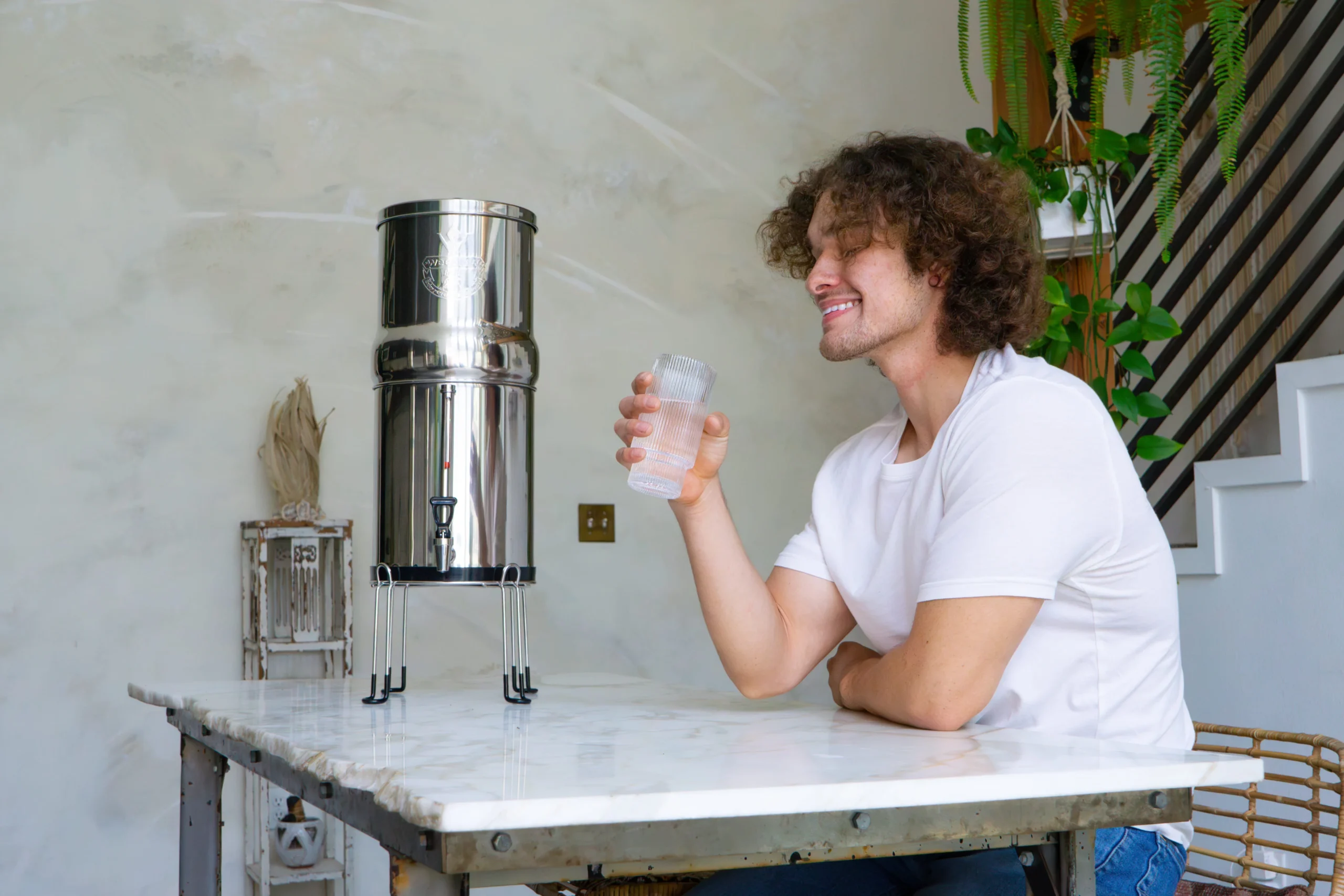
There’s something strangely satisfying about a cold glass of water that tastes fresh. No odd aftertaste, no strong chlorine smell, no hesitation before the first sip. Just water.
Yet many people don’t really think about the quality of their drinking water until they notice something unusual. Maybe the tap water tastes metallic. Perhaps there’s a faint odor, or the family has started buying bottled water because nobody likes what comes from the kitchen faucet.
It’s an understandable habit, but bottled water isn’t the only answer. In many homes, improving the water coming from the tap can make drinking water more convenient, economical, and environmentally friendly.
The important part is figuring out what’s affecting the water in the first place.
Why Water Sometimes Tastes Different
Taste is surprisingly complicated. Water can pick up characteristics from its source, treatment process, storage, and even household plumbing.
Chlorine, for example, is commonly used to disinfect public water supplies. It plays an important role in protecting water safety, but some people don’t enjoy the taste or smell.
Minerals can also influence flavor. Well water may contain naturally occurring iron, sulfur compounds, or other substances that give it a distinctive character.
Even if your water looks completely clear, it can still taste noticeably different from bottled water.
That’s why tasting water can be a useful everyday clue, but it shouldn’t be treated as a scientific test. If the taste or smell suddenly changes, proper water testing is a much better way to investigate what’s happening.
Better Water Starts With Understanding the Problem
It’s tempting to assume that a complicated filtration system will automatically produce better water.
Not necessarily.
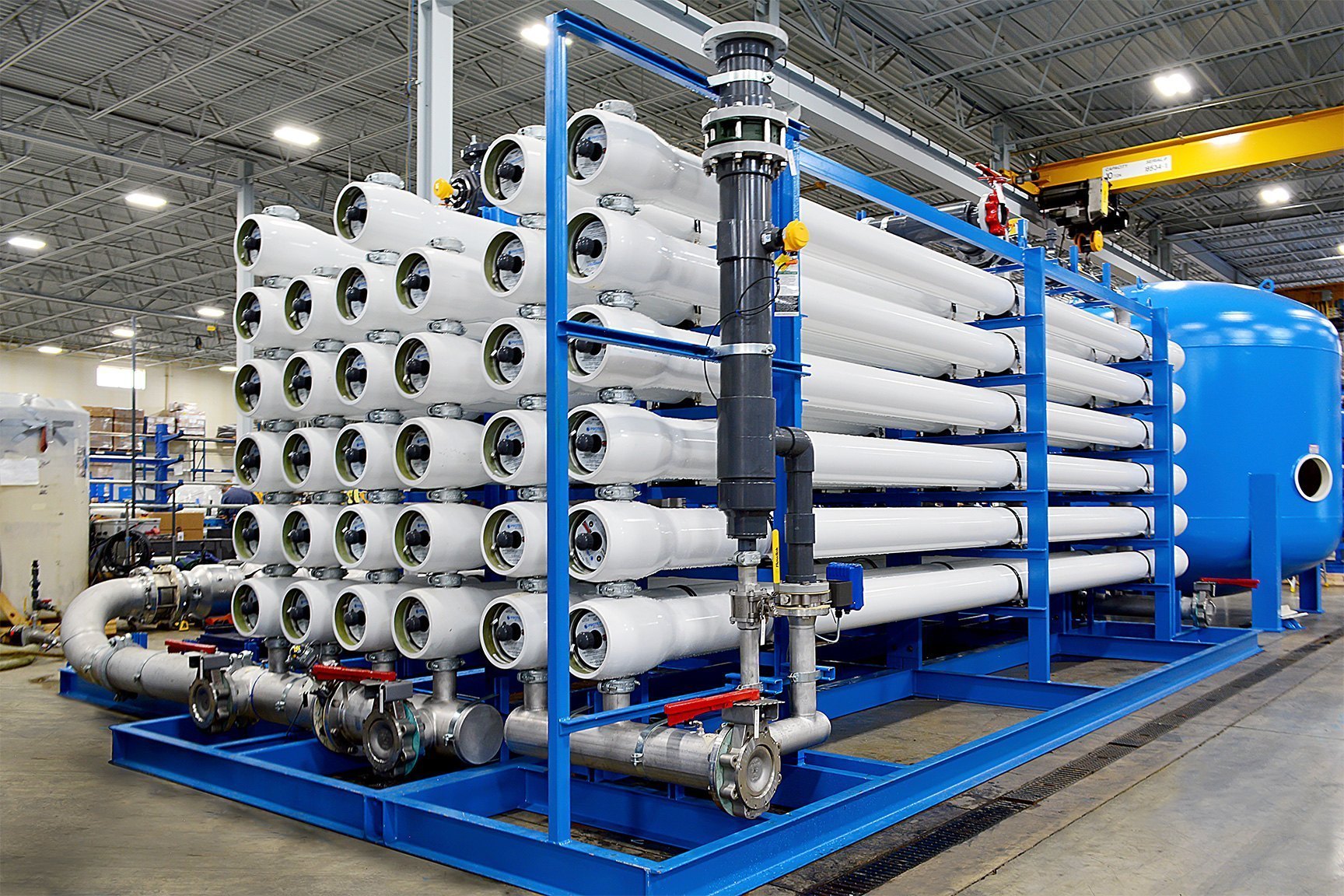
If chlorine is your main concern, an activated carbon filter may be suitable. If you’re dealing with sediment, a sediment filter could be more appropriate. If testing identifies certain dissolved contaminants, reverse osmosis or another specialized technology might make sense.
The goal is cleaner better water that matches your actual needs, not simply more equipment underneath the sink.
Before buying anything, find out what the system is designed to remove. Manufacturers should provide clear performance information, and reputable products may have relevant certifications for specific contaminant-reduction claims.
A filter that solves one problem isn’t automatically designed to solve every problem.
Why Testing Is Worth the Effort
Water that looks clean isn’t necessarily free from every unwanted substance. Some contaminants have no color, taste, or smell.
That’s why water testing matters.
For municipal water users, local water-quality reports can provide useful background information. For private well owners, periodic testing can be particularly important because groundwater conditions can change.
Testing may look at factors such as hardness, pH, chlorine, iron, nitrates, or other substances depending on the situation.
You don’t necessarily need to test for everything under the sun. A qualified laboratory or water professional can help determine which tests are relevant.
The results can save you from buying treatment equipment you don’t need.
Filtered Tap Water Can Be Convenient
One of the biggest advantages of treating water at home is convenience.
You don’t need to remember to buy cases of bottled water every time you visit the supermarket. There’s no need to carry heavy packages from the car into the kitchen, either.
A point-of-use filter can provide treated water directly from a dedicated faucet or existing kitchen tap. Whole-house filtration is another option when water quality concerns affect multiple fixtures.
The best choice depends on what you’re trying to improve.
If drinking and cooking are your main priorities, a kitchen-based system may be sufficient. If chlorine odor or sediment affects showers, laundry, and other household uses, whole-house treatment could be more appropriate.
Cutting Down on Plastic Bottles
There’s another benefit that doesn’t show up on a water-quality report: reducing plastic waste.
A household that regularly buys bottled water can go through a surprising number of bottles over a year. Even when containers are recycled, producing, transporting, collecting, and processing them requires resources.
Using treated tap water can reduce dependence on single-use bottles.
That doesn’t mean bottled water has no place. People may need it during travel, emergencies, or situations where safe tap water isn’t available. But for everyday drinking at home, a reliable filtration system can be a practical alternative.
It’s one of those small changes that can add up over time.
Don’t Forget the Filter Itself
A water filter is only useful when it’s maintained properly.
Every filter has a service life. As it captures contaminants, its performance can gradually decline. Some filters may also become restrictive and reduce water flow when they become heavily loaded.
That’s why replacement schedules matter.
Check the manufacturer’s recommendations and consider your actual household usage. A family of five may go through a filter faster than a single person living alone.
Keep a note of when you install a new cartridge. It takes about thirty seconds and saves you from wondering six months later, “When did I change that thing?”
Taste Isn’t the Same as Safety
This point deserves repeating.
Water that tastes good isn’t automatically safe, and water that tastes unpleasant isn’t automatically unsafe.
Some contaminants can be detected through taste or odor, but others cannot. If you’re concerned about health-related contaminants, rely on proper testing rather than your senses.
Likewise, don’t assume bottled water is automatically better simply because it tastes different. The quality of any drinking water depends on its source, treatment, storage, and handling.
Good decisions come from information, not assumptions.
Choose the Right Treatment, Not the Most Expensive One
Water treatment systems come in many shapes and sizes. Some use carbon filtration. Others combine multiple stages or use reverse osmosis. Whole-house systems can address certain concerns throughout the property, while under-sink systems focus on drinking and cooking water.
There’s no universal winner.
Consider your water test results, household size, daily consumption, installation space, maintenance requirements, and long-term operating costs.
And don’t overlook replacement filters. A system may seem inexpensive at first but become costly if cartridges are difficult to find or require frequent replacement.
A Simple Habit Can Make a Real Difference
At the end of the day, better drinking water doesn’t have to involve complicated technology or endless bottles stacked in the pantry.
Start with your water. Pay attention to changes in taste, smell, appearance, and household performance. Test when there’s a genuine concern. Then choose treatment equipment that addresses the specific issue.
The result can be surprisingly satisfying: water you actually enjoy drinking, less reliance on bottled products, and one less recurring item on the grocery list.
Sometimes the smartest home improvement isn’t the flashiest one. It’s the quiet upgrade that makes everyday life a little easier — one glass at a time.